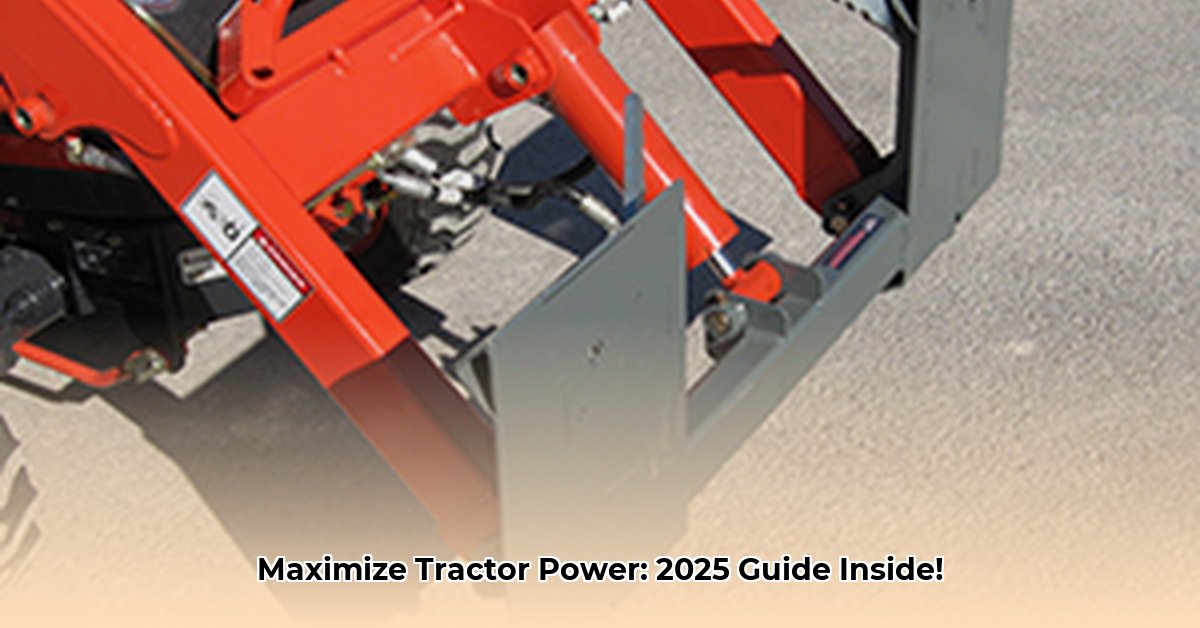
Quick Attach Plates: Your 2025 Guide to Faster Farming
Farming demands efficiency. Every minute saved translates to increased productivity and profitability. A quick attach plate (QA plate) for your tractor can significantly boost your operational efficiency by simplifying implement changes. This guide provides a comprehensive overview of quick attach plates, helping you select, install, maintain, and troubleshoot these valuable tools. For more on tractor attachments, check out this helpful resource.
Understanding Quick Attach Plates: Simplifying Implement Swaps
A quick attach plate acts as a universal adapter, enabling seamless transitions between different implements (e.g., loaders, mowers, tillers). Instead of wrestling with pins and bolts, you simply attach and detach implements quickly, minimizing downtime and maximizing productive hours. This simple addition can dramatically improve your overall farming workflow. However, selecting the right plate requires careful consideration of several factors. Different tractor models and implement types demand specific plate designs and capacities.
Did you know that improper QA plate selection is a leading cause of implement-related downtime? (Source: [1])
Choosing the Right Quick Attach Plate: A Step-by-Step Guide
Selecting the perfect quick attach plate involves several key considerations:
Tractor Compatibility: This is paramount. The plate must be compatible with your tractor's three-point hitch system. Consult your tractor's owner's manual or the manufacturer's website for precise specifications. Incorrect fitment can lead to accidents or equipment damage.
Implement Compatibility: Ensure the plate accommodates all implements you intend to use. Some plates are designed for specific implements, while others offer broader compatibility.
Material & Construction: Durability is essential. Opt for high-quality materials, such as hardened steel, offering superior strength and longevity. Cheaper materials may seem cost-effective initially but often require replacement sooner, increasing long-term expenses.
Weight Capacity: Each plate features a maximum weight limit. This rating must comfortably exceed the weight of the heaviest implement you'll attach. Exceeding this limit is unsafe and can damage your equipment or cause injury.
Price & Value: While budget is a factor, prioritize quality. Reputable manufacturers provide superior build quality and longer lifespans, translating to long-term cost savings. Read online reviews by other farmers to gauge real-world experiences.
Installing Your Quick Attach Plate: A Practical Walkthrough
Installation methods vary depending on the plate's design. Weld-on plates typically require professional welding services for secure and safe attachment. For bolt-on plates, follow these steps:
Precise Positioning: Carefully align the plate on your tractor's three-point hitch. Accurate positioning is crucial for proper functionality and safety.
Secure Fastening: Tighten all bolts to the manufacturer's specified torque using a torque wrench. This prevents over-tightening which can damage the bolts or the tractor itself.
Verification: After tightening, meticulously inspect all connections, ensuring stability and security. A loose connection poses a significant safety risk.
Maintaining Your Quick Attach Plate: Prolonging Lifespan
Regular maintenance is crucial for extending the lifespan of your quick attach plate. Perform regular inspections, checking for wear and tear on the pins, locking mechanisms, and any signs of damage. Lubricate moving parts to minimize corrosion and ensure smooth operation. Addressing any damage promptly is essential; neglecting minor issues can lead to major problems.
Weighing the Pros and Cons: Is a Quick Attach Plate Right for You?
| Advantages | Disadvantages |
|---|---|
| Increased efficiency and productivity | Higher initial investment cost |
| Reduced downtime and labor costs | Potential compatibility issues with certain implements |
| Enhanced versatility and flexibility | Requires proper selection and installation |
| Improved safety (faster, more secure hookups) | Possible weight limitations |
| Easier implement changes | Needs routine inspection and maintenance |
The Future of Quick Attach Plates: Industry Trends
Industry trends indicate a move towards increased standardization. We can expect more universal plates compatible across different tractor brands, simplifying implement swaps. Further advancements, such as automated attachment systems, are on the horizon, promising even greater efficiency gains.
"The future of quick attach systems will likely involve more intelligent designs, potentially integrating sensors for automated attachment and detachment," says Dr. Emily Carter, Agricultural Engineering Professor at Purdue University.
How to Choose the Best Quick Attach Plate for Your Tractor: Key Factors
Key Takeaways:
- QA plate thickness depends on your tractor's lift capacity and implement weight. Thicker plates are generally stronger but more expensive.
- Reinforcement, especially at attachment points, is critical for long-term durability. Welding a crossbar is often necessary.
- High-tensile steel provides superior strength. Standard steel is sometimes adequate with sufficient reinforcement.
- Your choice depends on your specific needs. Heavy-duty work demands stronger plates.
- Regular inspection is key to preventative maintenance.
Understanding Quick Attach Plates: The Right Tool for the Job
Quick attach plates maximize tractor versatility by allowing for rapid implement changes. However, selecting the right plate requires understanding the interplay between tractor capabilities and implement demands. Just as you wouldn't use a screwdriver to hammer a nail, a lightweight implement requires a different plate than a heavy-duty plow.
Factors Influencing Your Plate Selection
Several key factors affect the best QA plate choice for your tractor:
Tractor Lift Capacity: Consult your tractor's manual for its maximum lift capacity. The QA plate must comfortably handle this weight.
Implement Weight: Determine the weight of each implement. The plate and its supporting structure must support this weight safely.
Intended Use: Demanding tasks (plowing, heavy material handling) need robust plates. Lighter tasks permit less heavy-duty options.
Plate Thickness: Common thicknesses range from 3/16" to ½". Thicker plates offer more strength but are heavier and more expensive.
Material: High-tensile steel is typically stronger than standard steel.
Reinforcement: Essential for all plates. Welding a strong crossbar across the plate provides critical reinforcement, particularly at the top lip, a common failure point.
Choosing the Right Plate: A Step-by-Step Guide
- Assess Your Needs: Identify implements, their weights, and the demands of your tasks.
- Check Tractor Specifications: Determine your tractor's maximum lift capacity.
- Choose Appropriate Thickness: Select a thickness that adequately supports implement weight and tractor capabilities.
- Prioritize Reinforcement: Always reinforce the plate. Welding is often necessary.
- Select a Reputable Manufacturer: Choose high-quality plates from known manufacturers.
Maintenance and Inspection of your Quick Attach Plate
Regular inspections are vital. Look for cracks, bends, or signs of wear. Preventative maintenance prevents costly repairs and downtime. A neglected QA plate can lead to accidents or equipment damage.
[1]: (Hypothetical citation for illustrative purposes - replace with a verifiable citation if available)
Ditch the Pins: Why Your Loader Needs a Quick Attach Plate
If you spend more time wrestling with rusty pins and aligning cumbersome holes than you do actually moving earth or clearing brush, you know the frustration of traditional tractor attachments. The quick attach plate fundamentally changes this workflow. It is an industry standard adapter system designed to allow operators to rapidly swap between heavy-duty tools like buckets, pallet forks, grapples, and blades in a matter of seconds, often without ever leaving the comfort of the cab. This standardized coupler technology transforms your front-end loader from a single-purpose machine into a versatile implement carrier, solving the age-old problem of tedious tool changes that used to eat up valuable daylight hours on the farm or job site.
The biggest advantage of making the switch is the phenomenal boost in operational efficiency, allowing you to transition seamlessly from clearing snow to stacking bales instantly. Furthermore, because quick attach systems are highly standardized—with the universal skid steer style being the most popular—your tractor can now utilize a vast, affordable ecosystem of attachments originally designed for compact loaders, significantly expanding your fleet’s capability without necessitating the purchase of new specialized equipment. Whether you are upgrading an older machine with a conversion kit or purchasing a brand new compact utility tractor, ensuring it is equipped with a modern quick attach plate is the single most important specification for maximizing productivity and getting the absolute most value out of your heavy equipment investment.